Gloves & Mitts · The picks
Best youth catcher's mitts (2026): 31.5 to 33.5 inches, for the kid who just volunteered
A catcher's mitt is the one glove on the team a kid cannot borrow and cannot break in overnight. Three youth mitts by size, the pattern-by-age rule, and the two tools that turn a board into a pocket in a week.
By Mike M.Updated Sourced · gear tested by us: 0
#adReader-supported: we may earn a commission if you buy through our links, at no extra cost to you. It never decides a pick. How we pick · Disclosure
Quick picks
The rankings at a glance
| # | Product | Best for | Score | Price |
|---|---|---|---|---|
| 1 |  All-Star Future Star Catcher's Mitt (31.5 / 33.5 in) A lightweight youth mitt in 31.5 and 33.5 inch patterns with an easy-to-lace wrist closure and Pro Guard padding. Built for the first-time catcher. | Best overall / best first mitt (31.5 or 33.5)Ages 7–12 (31.5 in for 7–9, 33.5 in for 10–12) | 8.9 /10 | Check price · Amazon |
| 2 | Mizuno Samurai Youth Catcher's Mitt 33 in Mizuno's youth catcher's mitt in a 33 inch pattern: the mitt for a 10- to 12-year-old who has decided catching is the position. | Best for 10U–12U (33 in)Ages 10–12, 33 in | 8.4 /10 | Check price · Amazon |
| 3 | Mizuno Franchise Youth Catcher's Mitt 33.5 in The Franchise youth mitt at 33.5 inches: a touch bigger than the Samurai for the 12-year-old about to move up. | Best for 12U moving up (33.5 in)Ages 11–13, 33.5 in | 8.1 /10 | Check price · Amazon |
| 4 |  Rawlings Glove Mallet A ball-shaped mallet for pounding a pocket into a new glove. Faster and safer than any heat trick. | The break-in toolAny leather glove | 9.2 /10 | Check price · Amazon |
| 5 | Rawlings Glovolium Glove Oil The glove conditioner Rawlings sells for its own leather. A thin coat, worked in, is the correct alternative to the oven, the microwave and the shaving cream. | The conditionerAny leather glove | 8.9 /10 | Check price · Amazon |
#ad · Prices are set by Amazon and change often, so we don't print them. Scores are ours, built from the governing bodies' certification rules, the makers' sizing charts and published specs, not our own testing. Photos are illustrative stock. Tap a row for the full write-up.
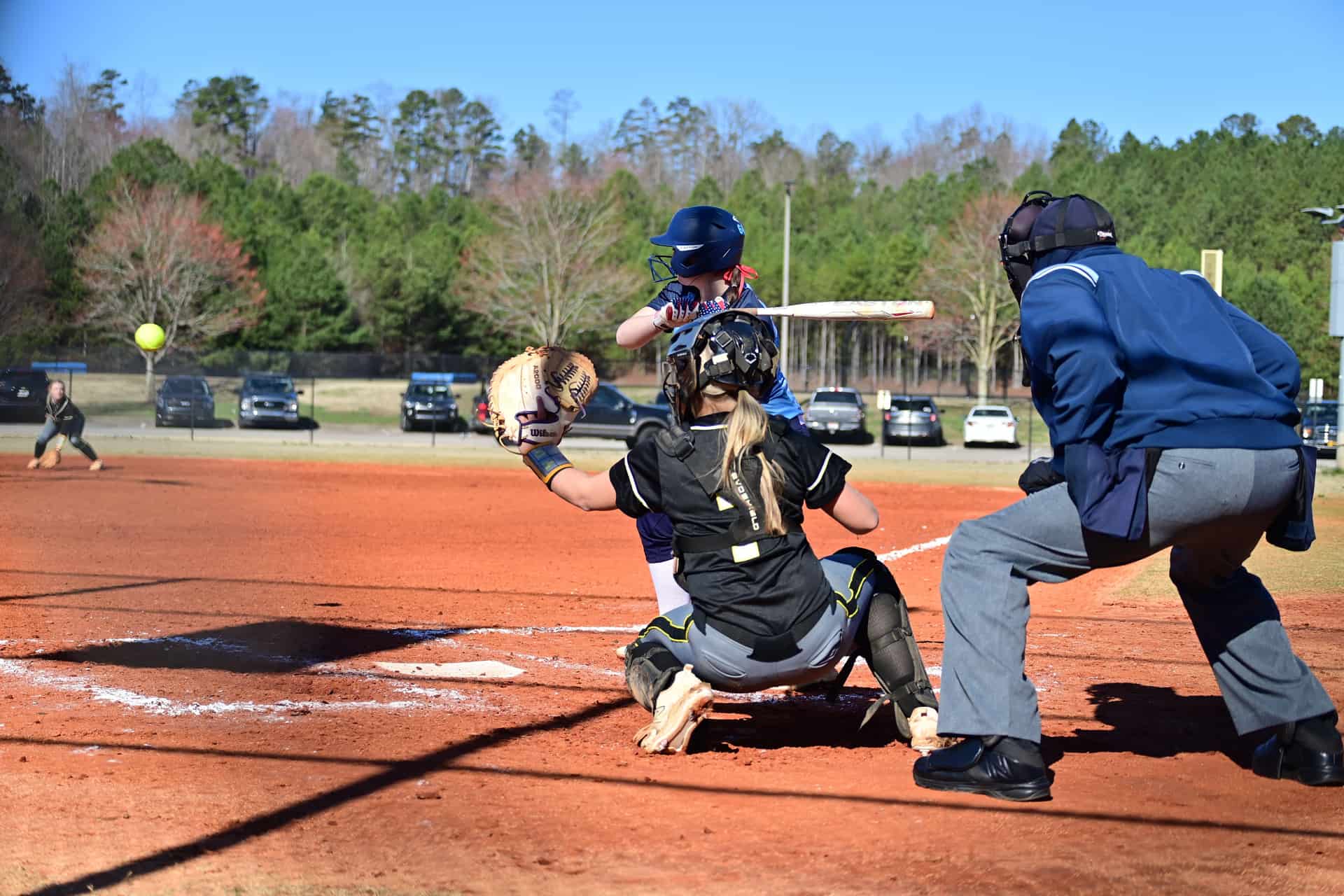
Mitt size by age
| Catcher | Mitt size | Pick |
|---|---|---|
| 7–9 (coach pitch, first kid pitch) | 31–31.5 in | Future Star 31.5 |
| 10–11 (10U, Little League Minors) | 32–33 in | Samurai 33 or Future Star 33.5 |
| 12 (12U, Majors) | 33–33.5 in | Franchise 33.5 |
| 13+ (Intermediate, 13U) | 33–34 in intermediate/adult pattern | Beyond this page; the youth pocket is too shallow for 60 mph |
Catcher's mitts are measured around the circumference, not tip to heel, which is why a “33” is not three times an 11-inch fielder's glove. Sizes are the patterns the makers sell as youth (All-Star: 31.5 and 33.5; Mizuno: 33 and 33.5). The age bands are our compilation from those youth patterns and the Rawlings youth age range; they are not a rule.
Why a catcher's mitt is different
Three things. It has no individual fingers, so it closes like a clam and needs a formed pocket before it will hold a pitch. It is padded far more than a fielder's glove, which makes it stiffer out of the box. And it is measured differently (circumference), so the numbers do not compare to a fielder's glove. The practical consequence is that a youth catcher's mitt bought Friday will not be ready Saturday: budget a week of mallet work, catch and a ball wrapped in the pocket. All-Star's Future Star listing says the lightweight construction allows a quick, easy break-in; that is relative to an adult mitt, not to a fielder's glove.
How these were ranked
The glove rubric: size fit for the age (30%), ease of close (25%), leather and build (15%), break-in effort (15%), value (15%). All three mitts are youth-specific patterns from makers who sell catcher's gear as a specialty (All-Star) or a core line (Mizuno). The Future Star ranks first because it comes in two youth sizes, its listing describes an easy-lace wrist closure for a first-time catcher, and its padding is named. Mizuno's listing pages are JavaScript-rendered and could not be read by our tools, so the two Mizuno mitts carry retailer-listing specs only and rank on size and pattern. We have not caught with any of them.
In detail
The picks, in full
Rank 1
Stock photoBest overall / best first mitt (31.5 or 33.5)
All-Star Future Star Catcher's Mitt (31.5 / 33.5 in)
A lightweight youth mitt in 31.5 and 33.5 inch patterns with an easy-to-lace wrist closure and Pro Guard padding. Built for the first-time catcher.
Spec sheetSourced · not tested by us
| Category | Catcher's mitt |
|---|---|
| Fits | Ages 7–12 (31.5 in for 7–9, 33.5 in for 10–12) |
| Construction | Lightweight construction for a quick break-in; Pro Guard Padding; dual-stitched leather |
| Sizes | 31.5 in and 33.5 in patterns |
| Closure | Easy-to-lace custom wrist closure (maker) |
How the 8.9 score breaks down
- Size fit for the age (30%)
- 10
- Ease of close for small hands (25%)
- 9
- Leather and build quality (15%)
- 7
- Break-in effort (15%)
- 9
- Value (15%)
- 8
What the spec sheet supports
- Two youth sizes from a catcher's-gear specialist
- Padding where a first-year catcher needs it
- Lighter than a full-size mitt
Where it falls short
- Lightweight build trades durability for break-in speed
- A 12-year-old who catches every game will outgrow it in a season
Skip this if…
…your kid is 13 and catching travel ball; move to a 32.5–33.5 in intermediate mitt.
#ad · Price set by Amazon · Disclosure for the link to All-Star Future Star Catcher's Mitt (31.5 / 33.5 in)
Rank 2
Stock photoBest for 10U–12U (33 in)
Mizuno Samurai Youth Catcher's Mitt 33 in
Mizuno's youth catcher's mitt in a 33 inch pattern: the mitt for a 10- to 12-year-old who has decided catching is the position.
Spec sheetSourced · not tested by us
| Category | Catcher's mitt |
|---|---|
| Fits | Ages 10–12, 33 in |
| Sizes | 33 in (retailer listing; Mizuno's listing pages are JavaScript-rendered) |
How the 8.4 score breaks down
- Size fit for the age (30%)
- 10
- Ease of close for small hands (25%)
- 7
- Leather and build quality (15%)
- 9
- Break-in effort (15%)
- 7
- Value (15%)
- 8
What the spec sheet supports
- A youth-specific pattern from a serious glove maker
- 33 in is the size most 10U–12U catchers use
Where it falls short
- Specs are from a retailer listing
- Needs a real break-in; a mallet and a ball help
Skip this if…
…the kid is 7 or 8; a 31.5 in mitt closes easier.
#ad · Price set by Amazon · Disclosure for the link to Mizuno Samurai Youth Catcher's Mitt 33 in
Rank 3
Stock photoBest for 12U moving up (33.5 in)
Mizuno Franchise Youth Catcher's Mitt 33.5 in
The Franchise youth mitt at 33.5 inches: a touch bigger than the Samurai for the 12-year-old about to move up.
Spec sheetSourced · not tested by us
| Category | Catcher's mitt |
|---|---|
| Fits | Ages 11–13, 33.5 in |
| Sizes | 33.5 in (retailer listing) |
How the 8.1 score breaks down
- Size fit for the age (30%)
- 9
- Ease of close for small hands (25%)
- 7
- Leather and build quality (15%)
- 9
- Break-in effort (15%)
- 7
- Value (15%)
- 8
What the spec sheet supports
- Full 33.5 in pocket for kid-pitch velocity at 12U
- Mizuno leather
Where it falls short
- Retailer-sourced specs
- Break-in
Skip this if…
…the kid is under 10.
#ad · Price set by Amazon · Disclosure for the link to Mizuno Franchise Youth Catcher's Mitt 33.5 in
Rank 4
Stock photoThe break-in tool
Rawlings Glove Mallet
A ball-shaped mallet for pounding a pocket into a new glove. Faster and safer than any heat trick.
Spec sheetSourced · not tested by us
| Category | Glove care |
|---|---|
| Fits | Any leather glove |
| Included | Glove mallet (maker listing) |
How the 9.2 score breaks down
- Setup time (20%)
- 10
- Stability (25%)
- 9
- Portability (15%)
- 9
- Durability (20%)
- 10
- Value (20%)
- 8
What the spec sheet supports
- Forms the pocket exactly where the kid catches
- Kids like using it
Where it falls short
- Does one job
Skip this if…
…the glove is a 10-break-in youth glove that is already soft; play catch instead.
#ad · Price set by Amazon · Disclosure for the link to Rawlings Glove Mallet
Rank 5
Stock photoThe conditioner
Rawlings Glovolium Glove Oil
The glove conditioner Rawlings sells for its own leather. A thin coat, worked in, is the correct alternative to the oven, the microwave and the shaving cream.
Spec sheetSourced · not tested by us
| Category | Glove care |
|---|---|
| Fits | Any leather glove |
| Included | Glove oil, advanced formula (maker listing) |
How the 8.9 score breaks down
- Setup time (20%)
- 10
- Stability (25%)
- 8
- Portability (15%)
- 10
- Durability (20%)
- 8
- Value (20%)
- 9
What the spec sheet supports
- Made by the glove maker
- A bottle lasts several gloves
Where it falls short
- Easy to over-apply; too much oil makes a glove heavy and floppy
Skip this if…
…the glove is synthetic; conditioner does nothing for a PVC shell.
#ad · Price set by Amazon · Disclosure for the link to Rawlings Glovolium Glove Oil
Before you buy
- Pattern by age, not by ambition. A 33.5 in mitt on a 9-year-old is a mitt he cannot close on a pitch.
- Buy the mallet. Pound the pocket, not the hinge, daily for a week. Then a ball in the pocket and a wrap between sessions. The full method is on how to break in a baseball glove.
- A thin coat of conditioner, once. Not oil poured in. Heavy oil makes a mitt heavy and floppy.
- Throwing hand. RHT catcher's mitts go on the left hand; left-handed catcher's mitts exist but are rarer and slower to ship.
- The set is separate. Helmet, chest protector and leg guards are a different purchase with a different sizing rule (torso length). See the catcher's sets.
How we picked these
Gear we claim to have tested: 0
Plenty of sites say they swung every bat on the list in a lab. We don't say that, and we say so on every page. What we do instead: check each bat against the governing bodies' certification rules and the maker's stated stamp; compile sizing from the makers' own age, height and hand charts; read the published specs (drop, barrel, construction, closure, cleat type); and read the complaint patterns in retailer reviews for the “skip it if” line. Every figure links to where it came from.
Scores are editorial judgments from that documented research, not test results. Commissions never set a score or decide a pick. The rubric and its weights are published.
Questions parents ask
Frequently asked
What size catcher's mitt for a 10-year-old?
What size catcher's mitt for a 12-year-old?
What is the best youth catcher's mitt?
How do you break in a catcher's mitt?
Keep reading
Related on Bat & Bucket
Receipts
Sources
- All-Star: Future Star catcher's mitt (31.5 in and 33.5 in)
- Headbanger Sports: Mizuno Samurai 33-inch youth catcher's mitt listing
- Headbanger Sports: Mizuno Franchise 33.5-inch youth catcher's mitt listing
- Rawlings: glove mallet
- Rawlings: Glovolium glove oil
- Rawlings: R9 ContoUR 11-inch youth glove (specs, glove size by age table)
- BaseballMonkey: How to break in a baseball glove
We don't claim to have swung, worn or tested this gear, and we don't pretend to. Gear we claim to have tested: 0. Certification rules come from the governing bodies' own pages (Little League, USA Baseball, USSSA, NOCSAE), sizes from the makers' sizing charts, and specs from the maker's product page or the retailer listing named on each product. Amazon prices change often, so we don't print them. Where a figure isn't published, we say so. Read the full method.