Gloves & Mitts · Guide
How to break in a baseball glove for a kid, in about a week, without the oven
Every youth glove worth owning is stiff on day one. Here is the method the retailers and makers actually recommend (catch, mallet, a little conditioner, a wrapped ball), how long each takes, what to do about a catcher's mitt, and the list of things that make a glove worse.
By Mike M.Updated Sourced · gear tested by us: 0
#adReader-supported: we may earn a commission if you buy through our links, at no extra cost to you. It never decides a pick. How we pick · Disclosure
The steps
- Put it on and squeeze. Fifty squeezes while watching TV. Find the natural crease between the thumb and the pinky side; that is where the pocket goes. Do not fold it against the crease.
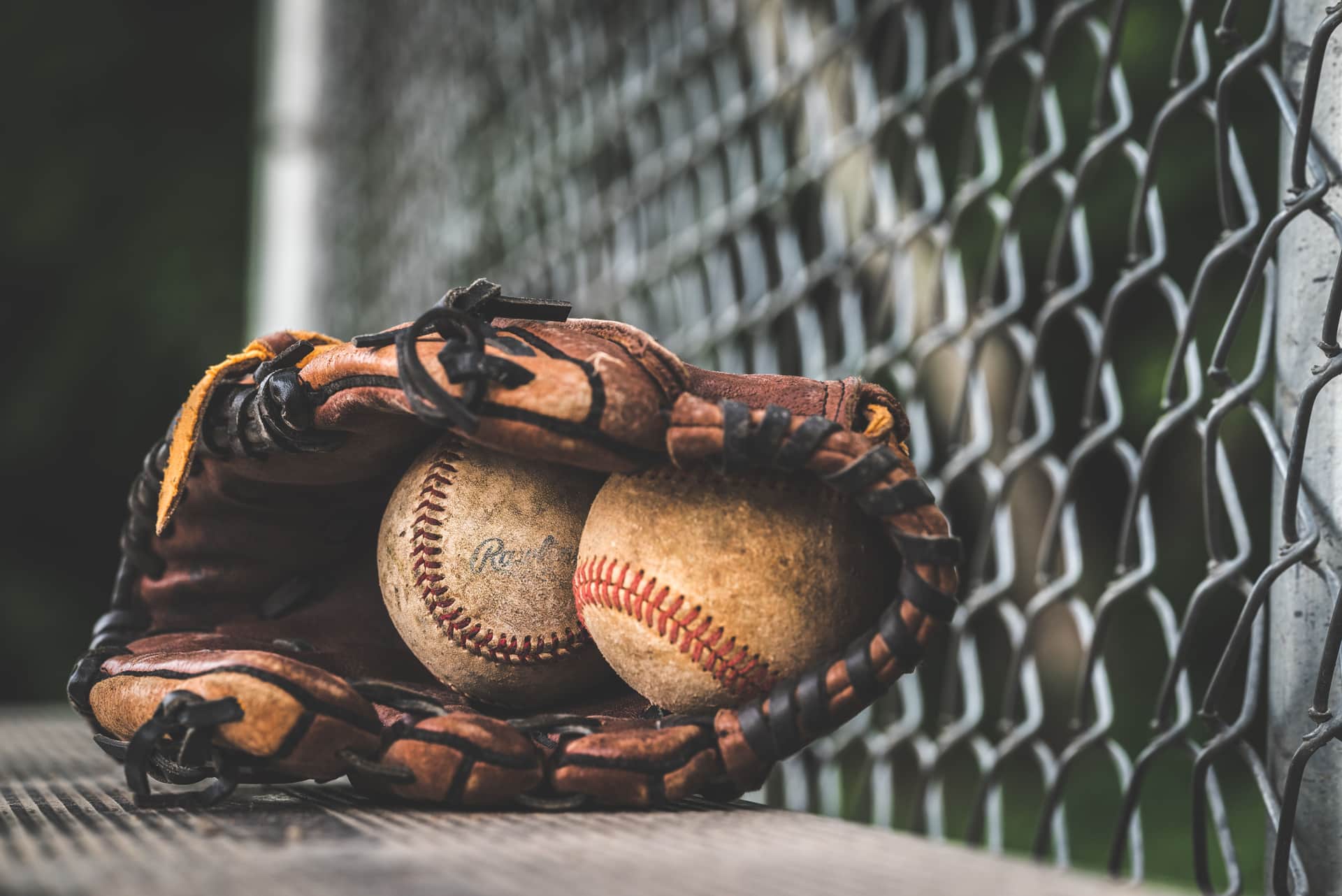
- Play catch. Ten minutes a day with a real ball (a softball for a softball glove, so the pocket forms to the bigger ball). BaseballMonkey's guide calls this the best and most recommended method because it carries no risk of damaging the glove. It is also the one the kid enjoys.
- Mallet the pocket. Glove on, mallet in the throwing hand, strike the pocket repeatedly. Then glove off, palm down on the floor, strike the back. A few minutes a day. A ball in a sock works if you do not want to buy the mallet.
- One light coat of conditioner. The maker's own (Rawlings Glovolium for a Rawlings glove). Rub it in with a cloth; wipe off what does not absorb. Once, not weekly.
- Fold and wrap with a ball inside. Fold pinky side over, ball in the pocket, glove wrap or a couple of big rubber bands. Every night until it holds the shape on its own.
How long it takes
Rawlings and Easton print a break-in rating on their youth gloves. A 10 (Sure Catch, Select Pro Lite, Ghost Flex, Flex Palm) is close to game-ready and needs only the catch and the squeeze. A 20 (R9) or a welted full-grain glove like the Wilson A500 takes the whole routine for about a week. A 30 (Easton Future Elite) takes two. A youth catcher's mitt takes longer still (see below). If a 7-year-old's glove needs more than a week, it was the wrong glove; the size chart and the ranked gloves both show the rating.
Conditioner: how much and which
Less than you think, and the maker's own. BaseballMonkey's guide: use only manufacturer-recommended oils and conditioners, apply a light coat, and never use Vaseline, petroleum jelly, olive oil, mink oil or linseed oil. Too much oil is the second most common way a youth glove gets ruined: it soaks the leather, adds weight and turns a stiff glove into a floppy one that never holds a pocket. A thin coat once at break-in and once a season is plenty; the care guide covers the in-season routine.
Wrapping the glove
Fold the glove in half along the crease, fold the pinky side onto itself, put a ball in the pocket, and tie it with a glove wrap or old laces. BaseballMonkey's guide notes a softball in the pocket makes a bigger pocket, which is what a fastpitch glove needs. Wrapped overnight, unwrapped for catch, wrapped again: this is what turns a week of work into a pocket that stays.
Why the oven trick keeps circulating
Because it works once. Heat softens leather immediately, and the glove feels broken in for a week. Then the tannins and oils that were baked out of it are gone, the leather cracks along the crease and the laces snap in June. The retailers who sell gloves are unanimous against it, and the makers void warranties for it. A youth glove costs less than the time to argue about it: use the mallet.
Catcher's mitts
Same steps, more of them. BaseballMonkey's advice for catcher's and first-base mitts is to use the glove a lot, keep a ball wrapped in it at all times, use only approved conditioners, and never the microwave, oven or car. A youth mitt has no fingers to work individually, so the mallet does most of the early work and bullpen catch does the rest. Budget two weeks, and buy the mitt before the season, not the week of. The catcher's mitt page sizes them by age.
The tools
Our picks for this
Three tools and one glove that barely needs them
The mallet, the maker's conditioner and the wrap are the whole kit. The fourth card is the youth glove that comes rated 10 on Rawlings' scale, for the parent who would rather skip the week.
 Stock photo
Best glove break-in tool
Rawlings Glove Mallet
Any leather glove9.2/10Pound the pocket, not the hinge. A few minutes a day.
Check price · Amazon#ad · Price set by Amazon · Disclosure for the link to Rawlings Glove Mallet
- Stock photo
Best glove conditioner
Rawlings Glovolium Glove Oil
Any leather glove8.9/10The maker's own conditioner for Rawlings leather. One thin coat.
Check price · Amazon#ad · Price set by Amazon · Disclosure for the link to Rawlings Glovolium Glove Oil
- Stock photo
Best glove shaper
Rawlings Glove Wrap
Any glove8.7/10Holds a ball in the pocket overnight so the day's work sticks.
Check price · Amazon#ad · Price set by Amazon · Disclosure for the link to Rawlings Glove Wrap
 Stock photo
Best youth glove for 7–9
Rawlings Sure Catch 11 in (Mike Trout)
Ages 7–9, 11 in9.3/10Rated 10 by Rawlings: for a 7- to 9-year-old, two days of catch and it is done.
Check price · Amazon#ad · Price set by Amazon · Disclosure for the link to Rawlings Sure Catch 11 in (Mike Trout)
How we picked these
Gear we claim to have tested: 0
Plenty of sites say they swung every bat on the list in a lab. We don't say that, and we say so on every page. What we do instead: check each bat against the governing bodies' certification rules and the maker's stated stamp; compile sizing from the makers' own age, height and hand charts; read the published specs (drop, barrel, construction, closure, cleat type); and read the complaint patterns in retailer reviews for the “skip it if” line. Every figure links to where it came from.
Scores are editorial judgments from that documented research, not test results. Commissions never set a score or decide a pick. The rubric and its weights are published.
Questions parents ask
Frequently asked
How do you break in a baseball glove without a mallet?
How do you know when a baseball glove is broken in?
How do you condition a new baseball glove?
Can you put a baseball glove in the oven?
Does steaming a glove work?
How long does it take to break in a youth glove?
Keep reading
Related on Bat & Bucket
Receipts
Sources
- BaseballMonkey: How to break in a baseball glove
- Rawlings: glove mallet
- Rawlings: Glovolium glove oil
- Rawlings: glove wrap
- Rawlings: glove break-in kit
- Rawlings: Sure Catch 11-inch Mike Trout youth glove
- Rawlings: R9 ContoUR 11-inch youth glove (specs, glove size by age table)
- Easton: Future Elite 11-inch youth glove
We don't claim to have swung, worn or tested this gear, and we don't pretend to. Gear we claim to have tested: 0. Certification rules come from the governing bodies' own pages (Little League, USA Baseball, USSSA, NOCSAE), sizes from the makers' sizing charts, and specs from the maker's product page or the retailer listing named on each product. Amazon prices change often, so we don't print them. Where a figure isn't published, we say so. Read the full method.